
Filha Hildegarda
Contemplations, Reflections, & Mental Health
Welcome! This is a blog by Shirley where she writes about her mental health struggles and how these experiences impact her Catholic faith.
Feel free to browse, read, and accompany me in this life's journeys in the midst of a chaotic world. As they say, everything is grace.
About the Filha Hildegarda Blogspace
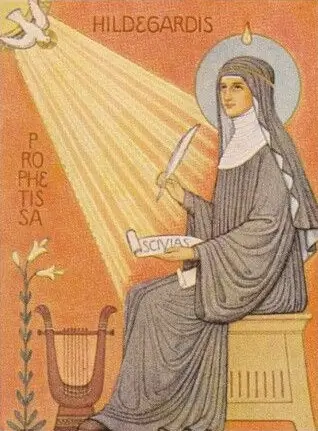
The Filha Hildegarda blog site tackles faith, mental health struggles, and Benedictine spirituality adapted to a common layperson's daily life, as told in the point of view of someone who has endured bipolar disorder and temporal lobe epilepsy for about two decades. Through this blog, she is able to share her stories of how her renewed Catholic faith has helped her withstand a tumultuous relationship with her own mental and physical health, as well as her ongoing recovery from past traumas stemming from years of having been in a high-control, non-Catholic faith group.
The author fervently hopes that this blog may serve as a window of recovery to people, especially Catholics, who have had to endure so much in their lives. It has always been her prayer that faith ought to be a safe space where the mind, body, and soul may experience a form of rest that nourishes both the intellect and the heart.
Why "Filha Hildegarda"?
"Filha Hildegarda" means "daughter of Hildegard" in Portuguese which, in this context, is a blog that draws inspiration from St. Hildegard of Bingen's eclectic contributions to diverse fields, be it scientific, literary, or musically.
Shirley, the author of this blog, greatly admires what St. Hildegard has always represented: genius offered up to glorify and worship God. Also, as a Benedictine nun, the esteemed Saint was able to balance precociousness with a heightened level of faith by using her God-given intellect to study a wide range of disciplines that proved necessary to survive the rigours of everyday life. As much as she has mostly been hailed as a medieval innovator, what may be considerably striking about St. Hildegard is her willingness to probe deeper into the meaning of life through an extraordinarily spiritual yet practical lens. As much as Shirley has also delighted in such excursions of the mind and of belief—alongside her affinity towards the Benedictine ideals of Prayer and Work—she looks up to St. Hildegard as a spiritual sister to help in her earthly endeavours and the understanding of divine Truths.

Of Scribblings & Scribes
Feel free to browse some latest feature articles and reflections

8th Sunday After Pentecost: Sin Breeds Contempt
Introit: Psalm 47:10-11 Lesson: Romans 8:12-17 Gospel: Luke 16:1-9 Communion Antiphon: Psalm 33:9 On this 8th Sunday after Pentecost, we encounter the parable of the dishonest servant which, for some, may be tad confusing to reflect on at first glance. Here, Jesus...
THE RULE OF ST. BENEDICT: Prologue (par. 8-9)
Whence the Lord also says in the Gospel: “He who hears these My words and does them, I will liken him to a wise man who built his house upon a rock. There came torrents of rain and rushing winds, and they struck upon that house, but it fell not: for it was founded...
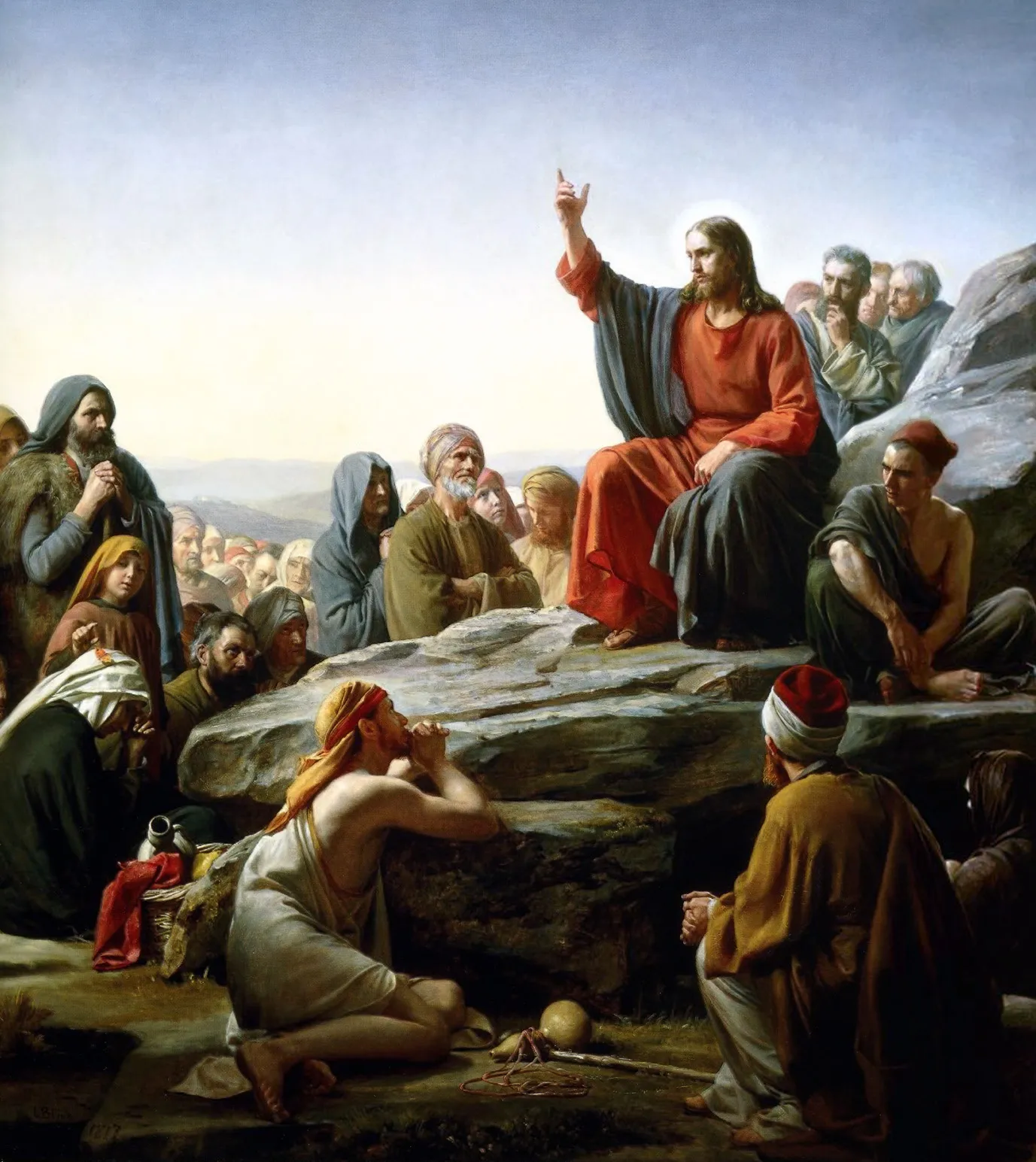
7th Sunday After Pentecost: Not What It Seems
Introit: Psalm 46:2 Lesson: Romans 6:19-23 Gradual: Ps 33:12, 6 Gospel: Matt 7:15-21 Communion: Psalm 30:3 Sometimes our lives is a paradox of what we are and who we project to be--in which case, it has become all too common to see people feasting on others' faults...
THE RULE OF ST. BENEDICT: Prologue (par. 5-7)
What, most dear brethren, could be more sweet to us than this voice of the Lord inviting us? Behold the Lord points out the way of life to us by His own fatherly affection. Let our loins then be girt with faith and the observance of good works, and let us, gospel led,...
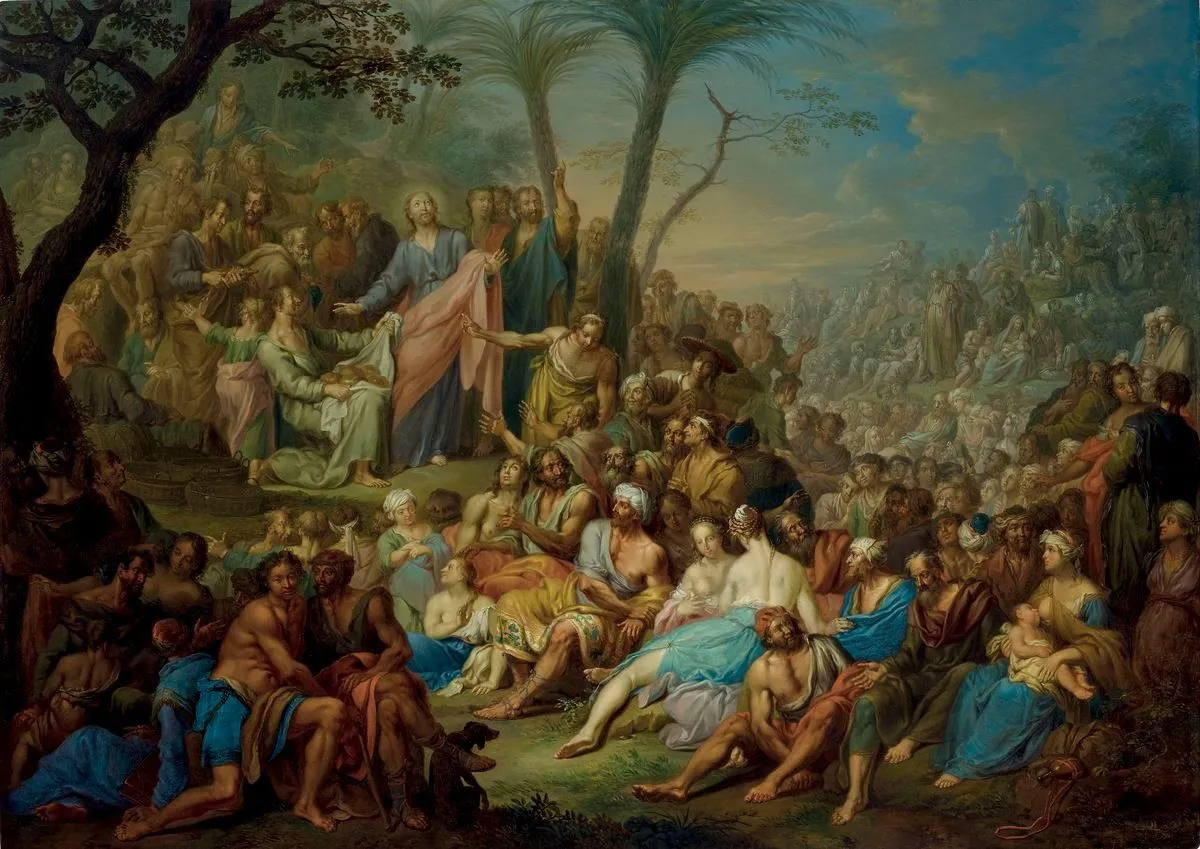
6th Sunday After Pentecost: Our Lord Sustains Us
For the Gospel on this sixth Sunday after Pentecost, Our Lord feeds the hungry multitude who have come to Him to hear the Gospel. Hundreds—even thousands—of people gathered to hearken unto Jesus speak of the Kingdom of Heaven: men, women and their children, and...
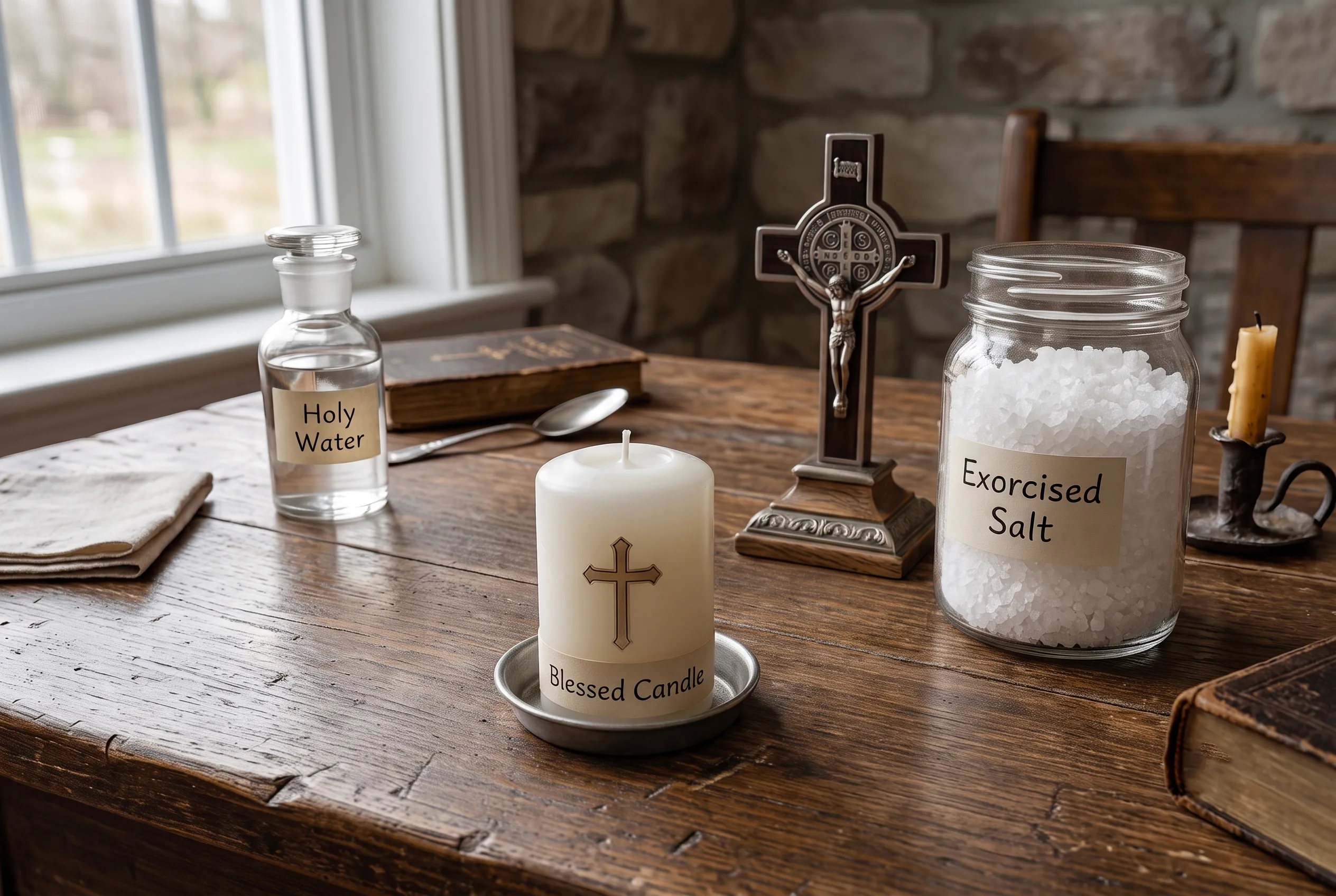
The Healing Power of God through Sacramentals
(N.B.: This was originally posted on my Facebook wall; but I decided to repost it here in my blog in order to encourage more of my fellow Catholics to take advantage of the gifts that the Church bequeaths upon the faithful as conduits of grace emanating from God and...
Chronicling & Reflecting: Journeying through Grace

Pax et Bonum!
Shirley here. This blog is my outlet for sharing the realities of life, mental health, and faith. After earning a teaching degree, I built much of my career in education: I started at a university laboratory school teaching English to first-year students (today's 7th graders), later taught undergraduates at two government universities following a stint in freelancing, and eventually moved into the public school system as a class adviser and Communication Arts teacher for grades 11 and 12. All the while, I was quietly battling mental health struggles that had taken root since college. Compounding this was nearly two decades spent, alongside my family, in a local cult—an experience that left my bipolar mood swings and epileptic episodes intense and unpredictable, navigated through constant medication and an undercurrent of fear.
Some people tried to understand my psyche; others simply deemed me irredeemable. Holding my ground amid uncertainty and hostility toward an invisible disability I never asked for was exhausting, and the daily demand to function normally often felt like a kind of mental erosion—my thinking would stall mid-thought without warning, even during the simplest routines.
Yet I believe God had a different plan: to teach me resilience beyond what I thought I had. Over time, I learned to make decisions for myself despite the brain fog and the lingering fear instilled by the belief system I’d left behind. After many tears, prayers, and a months-long brush with agnosticism, I returned to the Church for good in 2021 and haven’t looked back since—though that was only the first step. I’m still working through the trauma and distorted self-worth instilled in me as both a cult survivor and a product of a controlling family dynamic.
Living an eventful life builds the skills to overcome obstacles and chase dreams, but struggling without adequate support is something easily dismissed by those unfamiliar with mental illness or suffering more broadly. Still, in reading the lives and writings of the saints—on holy martyrdom and redemptive suffering—I’ve come to realize that the soul finds comfort not only through human effort toward wellness, but through God’s grace and mercy. This led me to wonder how my newfound Catholic faith might offer a fresher lens on what torments me, and what the Church’s rich spiritual wisdom could teach me about my mind’s flaws while training it to seek only the Lord’s peace. I won’t claim to be perfect, nor that my struggles don’t still limit me; but as St. Paul wrote to the Corinthians, “Grace is sufficient amid weakness, for power is made perfect in infirmity, and so we may gladly glory in our infirmities that Christ’s power may dwell within us.”
I cannot say I’ve overcome every obstacle that wearies me—but God’s promise remains unchanged: He will never leave me nor forsake me.

Web Presence Elsewhere
YouTube
Substack
White Noise and Thoughts (coming soon)
Send Word
Feel free to send a message! Your correspondence - of course, when done in charity - is highly appreciated.