
Introit: Psalm 47:10-11
Lesson: Romans 8:12-17
Gospel: Luke 16:1-9
Communion Antiphon: Psalm 33:9
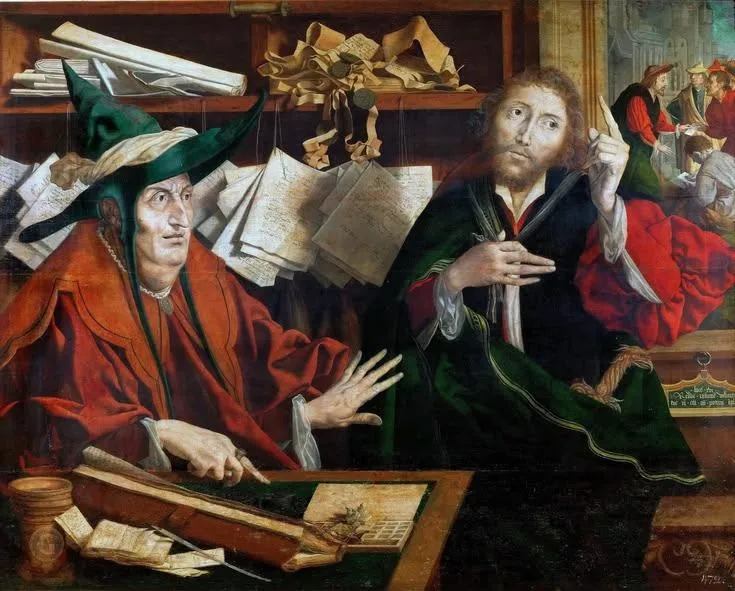
On this 8th Sunday after Pentecost, we encounter the parable of the dishonest servant which, for some, may be tad confusing to reflect on at first glance. Here, Jesus sets the scene: a servant was said to have acquired such a reputation for his devious ways so much so that his dismissal was imminent. His master had already told him to “make an accounting” of his stewardship, mayhap, as a sort of transition so as this servant in question should then prepare himself for the inevitable. Nonetheless, crafty as he is, he began to save face of sorts: through pretence–summoning his master’s debtors to discuss financial obligations while assuming a demeanour of being seemingly desirous to help–he then strikes agreements about “releasing” these individuals from debt but through fraudulent means. While this move may appear as rather advantageous–a win-win for both the master and his wily steward as debts were paid efficiently, while the said steward accomplishing a form of a crude redemption arc from his soiled reputation–the end does not justify the means. The fact remains that the master still is short-changed, and the steward becomes even more willing to embody his own dishonesty and harden his heart from the promptings of his conscience.
From this we recall the Lesson, taken from the Epistle of Saint Paul to the Romans: when we set aside and reject the inclinations of the flesh, we gain life instead of death. Unfortunately, for the steward, he continues to choose his froward ways instead of reconciling with truth: this, as we all know, would eventually lead to destruction rather then favour.
At this we look at our own lives: how many times have we sided with iniquity rather than the freedom offered to us by God? As much as sin can offer us temporary assurances of our own wrongful actions, this would plague our conscience in the end. We are then enslaved by our own innermost regrets, with a possibility for hardening our hearts even further against Wisdom’s admonitions. This, for the most part, poses a greater risk: we then take upon ourselves a willingness to defy the Divine Law until our heart hardens, just like how Pharaoh’s obstinacy against letting the children of Israel go is a reflection of his persistence in choosing a contrarian stance against God’s will.
Let not ourselves be fooled by the trappings of a false sense of spiritual and temporal security. We are free to choose between sin (death) and righteousness (life). The blue pill or the red pill? Life or death? As the prophet Moses writes, “I call heaven and earth to witness this day, that I have set before you life and death, blessing and cursing. Choose therefore life, that both thou and thy seed may live.” (Deuteronomy 30:19).
+U.I.O.G.D.